In 2011, a mother in Hong Kong held her newborn baby, expecting the usual joys and challenges of parenthood. By the second day, her world shifted forever.
While most parents were learning how to swaddle their child, she watched as a chunk of skin fell off her infant’s finger. A DNA test delivered a diagnosis that few have heard of: Recessive Dystrophic Epidermolysis Bullosa (RDEB).
Today, that baby is a 14-year-old boy. He loves video games, plays the piano, and sings. But behind the scenes of his teenage life is a brutal reality that requires strength and resilience from both mother and son.
What’s a typical day like for C?
Caring for a child with EB involves a grueling medical routine:
-
In the morning, C’s mother releases fluid from new blisters to prevent them from expanding and causing further damage.
-
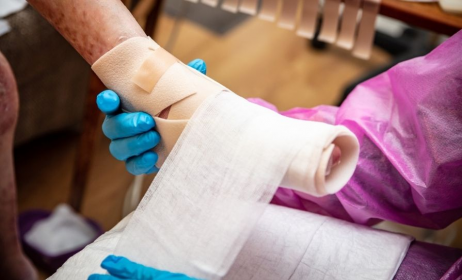
At night, C’s wounds are meticulously washed with saline, treated with Vaseline, and wrapped in specialised bandages.
-
Every 6 weeks, C visits the hospital for blood transfusions to combat the chronic anemia associated with the condition.
Despite his condition, C attends a special needs school where his spirit shines through music. He enjoys learning to play the piano and singing at school, as well as playing video games at home.
What do you wish more people knew about EB?
If you saw him on the street, you might notice he moves differently. What many people don't realise is the sheer willpower required for a person with EB to simply exist in the world.
"I wish people wouldn't stigmatise them or look at them like they’re aliens," his mother shares. "They struggle to do basic tasks. In reality, every single step they take is painful."
Imagine the sensation of a friction burn or a blister, then imagine that sensation covering your body, every day, for your entire life. That is the resilience of a child with RDEB.
What changes would you like to see in Hong Kong’s healthcare system?
While the physical and emotional toll of RDEB is immense, the financial burden is a mounting crisis in Hong Kong.
The most critical need? Bandages.
For a patient with RDEB, bandages prevent infection, manage pain, and allow for mobility. Currently, these specialised bandages are incredibly expensive, and the burden of supply falls on DEBRA HK rather than the healthcare system.
Time for Change
We need a shift in how society and healthcare systems view EB.
Governments and healthcare providers must provide dedicated funding for specialised dressings. No family should have to worry about the cost of the very thing that keeps their child safe.
Instead of staring, we must also offer understanding. These children are not "aliens"; they are brave individuals navigating a world that wasn't built for butterfly skin.
 Stay in Touch
 Make a difference