The Science behind EB Bandages
29 July 2026
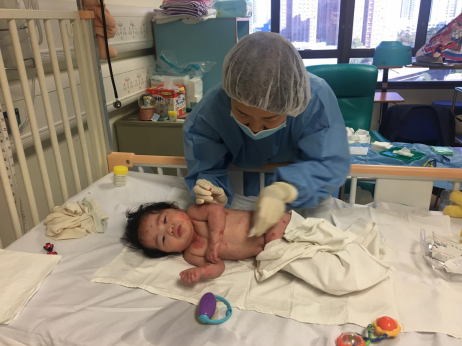
Epidermolysis Bullosa (EB) is one of the most painful conditions known to medicine. That’s why children born with EB are frequently called "butterfly children" because their skin is as fragile as a butterfly’s wing. The mildest friction can cause their skin to tear and blister.
For those living with EB in Hong Kong, daily life revolves around wound management. At the heart of this care are specialised EB bandages. Here is a closer look at the science behind why these advanced dressings are crucial for survival and comfort, and how they protect fragile skin.
To understand why EB dressings require precise engineering, it helps to understand how normal adhesive bandages work. Regular bandages use acrylic-based adhesives designed to stick firmly to skin cells. When peeled off, they pull away dead skin cells, a process known as skin stripping.
For a healthy person, this is completely harmless. But for someone with EB, the proteins that anchor the outer skin layer (epidermis) to the deeper layer (dermis) are weakened or missing entirely. Standard adhesives also grip the fragile epidermis tighter than the body can hold onto it. Removing a standard bandage strips the skin away, causing severe open wounds, bleeding and pain.
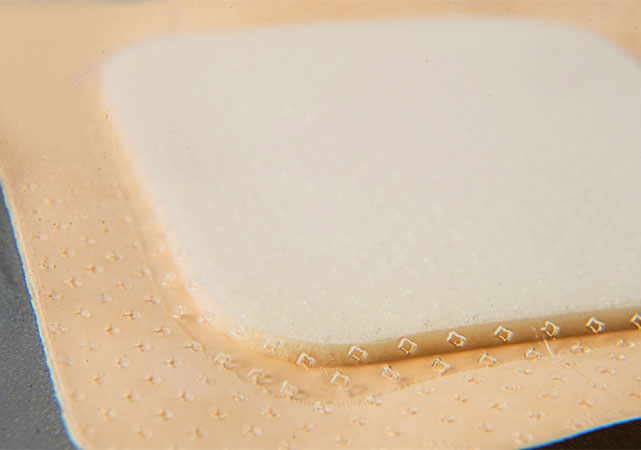
Instead of using strong adhesives like standard plasters, these bandages use a soft silicone gel that gently shapes itself to the skin's tiny bumps and grooves. It holds the bandage in place like a soft hug rather than sticky tape.
Silicone naturally repels moisture. Because of this, it can rest securely on dry skin around the injury, but it does not stick to a moist, open wound. The bandage lets fluid drain away into an outer cushion layer without gluing itself to sensitive, healing skin.
When it is time to take the bandage off, the soft silicone layer lifts away smoothly without stripping off fragile top layers of skin, causing bleeding, or reopening delicate wounds underneath.
To prevent sliding or additional friction, these silicone dressings are then secured using tubular stretch retention bandages rather than adhesive tape, ensuring free movement without stripping the skin.
While these medical-grade silicone dressings are a game-changer, they come at an immense cost. Families in Hong Kong caring for a child with EB spend thousands of Hong Kong dollars every month purely on specialised dressings and medication.
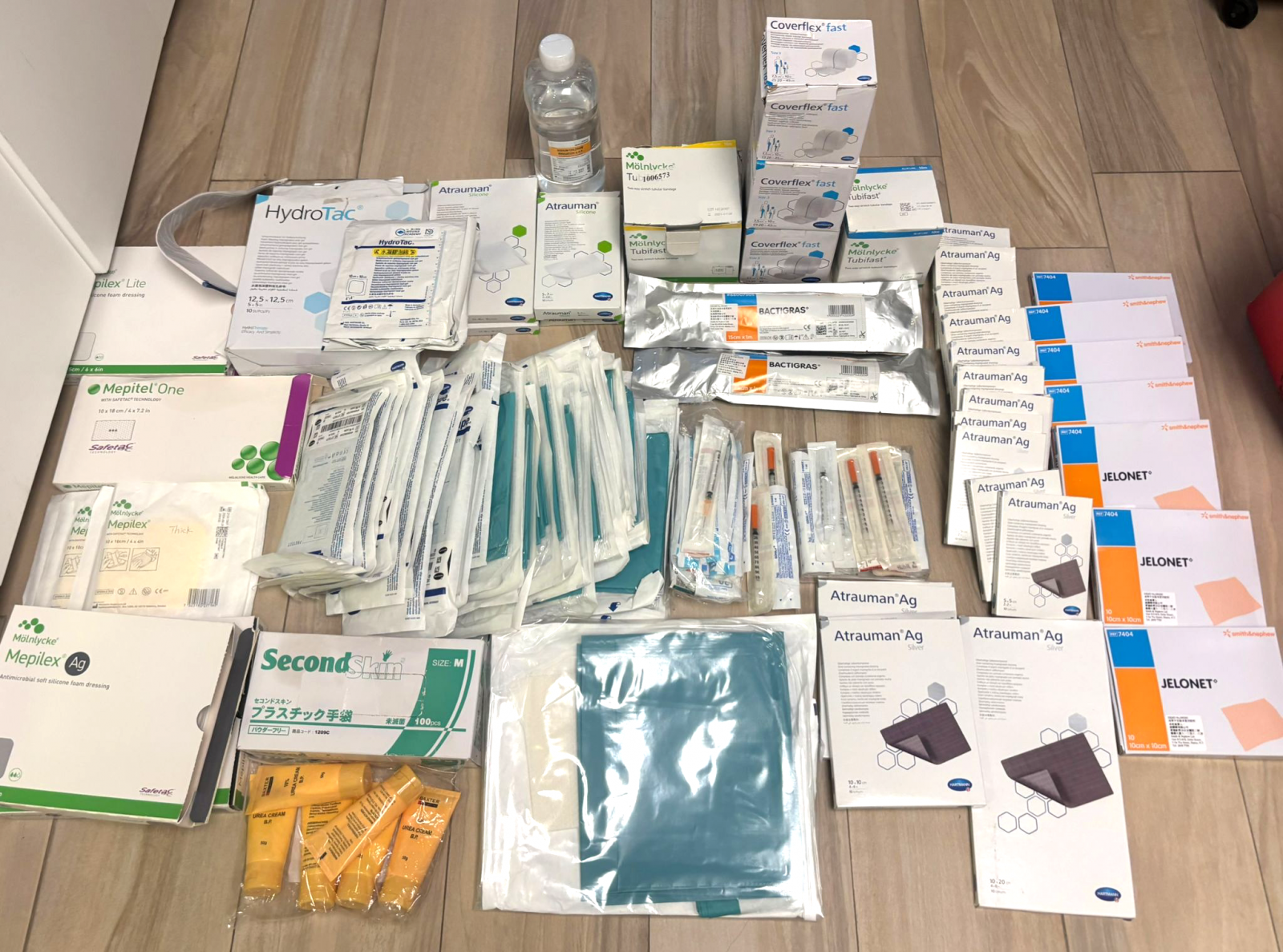
Debra Hong Kong works directly with local EB patients to provide immediate access to these non-negotiable medical supplies, as well as education, and support.
Your contribution funds gentler, pain-free wound care for butterfly children in Hong Kong:
By donating monthly, you could provide 12 weeks of healthcare for an EB sufferer each year, or one hour of enhanced EB nursing.
No child should suffer excruciating pain just from changing a bandage. Help us protect Hong Kong’s butterfly children today.
Epidermolysis Bullosa (EB) is one of the most painful conditions known to medicine. That’s why children born with EB are frequently called "butterfly children" because their skin is as fragile as a butterfly’s wing. The mildest friction can cause their skin to tear and blister.
For those living with EB in Hong Kong, daily life revolves around wound management. At the heart of this care are specialised EB bandages. Here is a closer look at the science behind why these advanced dressings are crucial for survival and comfort, and how they protect fragile skin.
Why Normal Bandages Cause Harm
To understand why EB dressings require precise engineering, it helps to understand how normal adhesive bandages work. Regular bandages use acrylic-based adhesives designed to stick firmly to skin cells. When peeled off, they pull away dead skin cells, a process known as skin stripping.
For a healthy person, this is completely harmless. But for someone with EB, the proteins that anchor the outer skin layer (epidermis) to the deeper layer (dermis) are weakened or missing entirely. Standard adhesives also grip the fragile epidermis tighter than the body can hold onto it. Removing a standard bandage strips the skin away, causing severe open wounds, bleeding and pain.
The Engineering Behind EB Bandages
EB wound management relies on atraumatic soft silicone technology. These specialised contact layers work through three key properties:
1. EB bandages mold gently to the skin
Instead of using strong adhesives like standard plasters, these bandages use a soft silicone gel that gently shapes itself to the skin's tiny bumps and grooves. It holds the bandage in place like a soft hug rather than sticky tape.
2. They don’t stick to the open wounds
Silicone naturally repels moisture. Because of this, it can rest securely on dry skin around the injury, but it does not stick to a moist, open wound. The bandage lets fluid drain away into an outer cushion layer without gluing itself to sensitive, healing skin.
3. EB bandages peel off gently
When it is time to take the bandage off, the soft silicone layer lifts away smoothly without stripping off fragile top layers of skin, causing bleeding, or reopening delicate wounds underneath.
To prevent sliding or additional friction, these silicone dressings are then secured using tubular stretch retention bandages rather than adhesive tape, ensuring free movement without stripping the skin.
How You Can Help EB Families in Hong Kong
While these medical-grade silicone dressings are a game-changer, they come at an immense cost. Families in Hong Kong caring for a child with EB spend thousands of Hong Kong dollars every month purely on specialised dressings and medication.
Debra Hong Kong works directly with local EB patients to provide immediate access to these non-negotiable medical supplies, as well as education, and support.
Give the Gift of Pain Relief Today
Your contribution funds gentler, pain-free wound care for butterfly children in Hong Kong:
By donating monthly, you could provide 12 weeks of healthcare for an EB sufferer each year, or one hour of enhanced EB nursing.
No child should suffer excruciating pain just from changing a bandage. Help us protect Hong Kong’s butterfly children today.
 Stay in Touch
 Make a difference